In India, crops are majorly divided into two major categories: Rabi crops and Kharif crops based on their seeding and harvesting seasons. Rabi crops are generally grown during winter season and Kharif crops are grown during the monsoon season. In this article we will discuss briefly about what Rabi and Kharif crops, which seasons they are grown and harvested, examples and differences between Rabi and Kharif crops.
What are Rabi Crops?
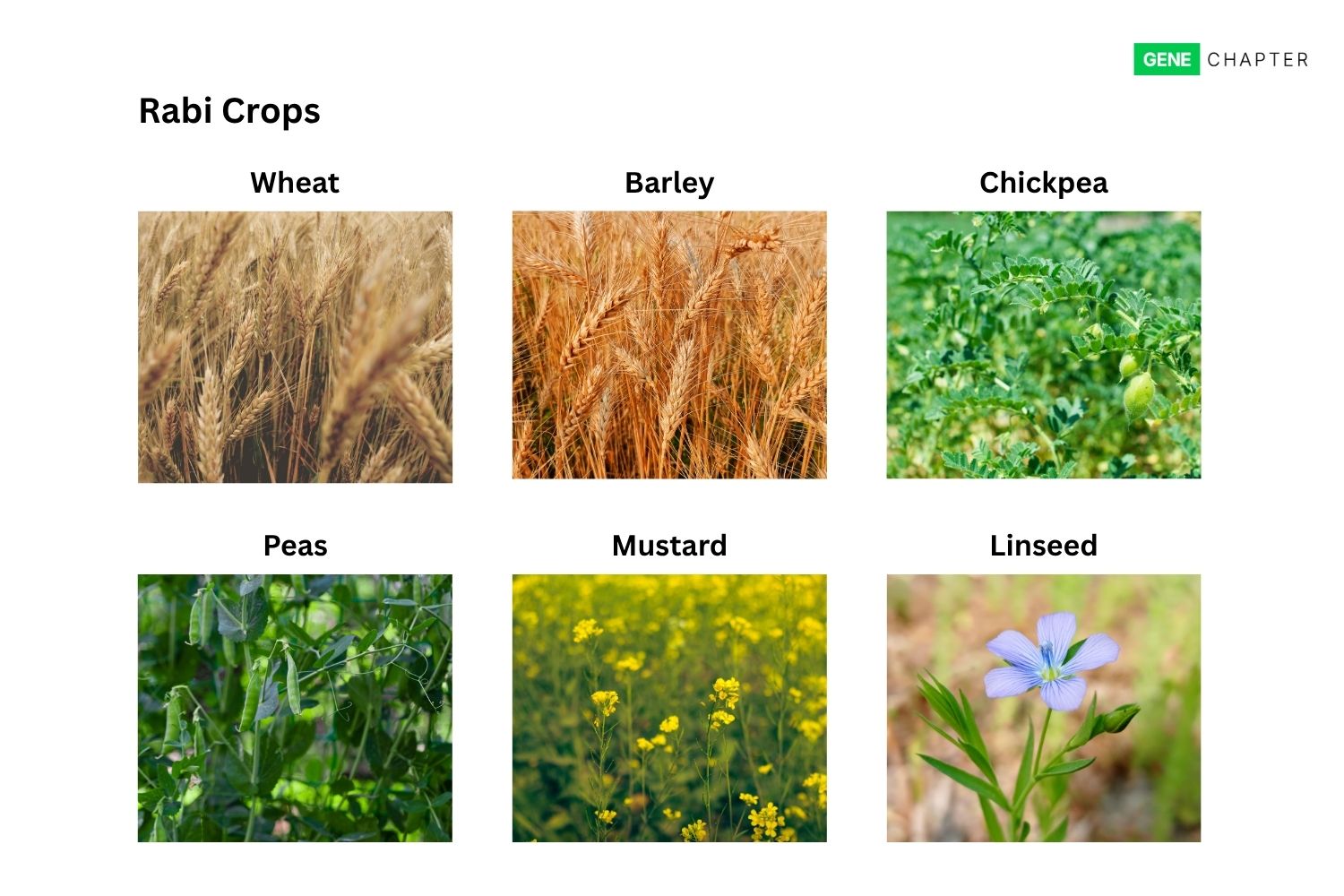
Rabi crops are crops which are sown in winter and harvested in the spring season (October to March). In India Rabi crops like wheat, mustard and peas are harvested early in India. Other major Rabi crops such as wheat, barley, oats, grams (pulses) are sown in winter and harvested in spring.
Aspect
Details
Sowing Period
October to December
Harvesting Period
March to April
Temperature
10°C to 20°C
Rainfall
Low to moderate
Water Needs
Less water
Type of Soil
Loamy, Alluvial soils
These crops are commonly grown in cool and dry climate conditions and largely depend on soil moisture from the monsoon, and irrigation may be needed. Major Rabi crops producing regions are Punjab, Haryana, Uttar Pradesh, Rajasthan, Madhya Pradesh. Examples of Rabi Crops: Wheat, Barley, Oats, Pulses and Mustard.
What are Kharif Crops?
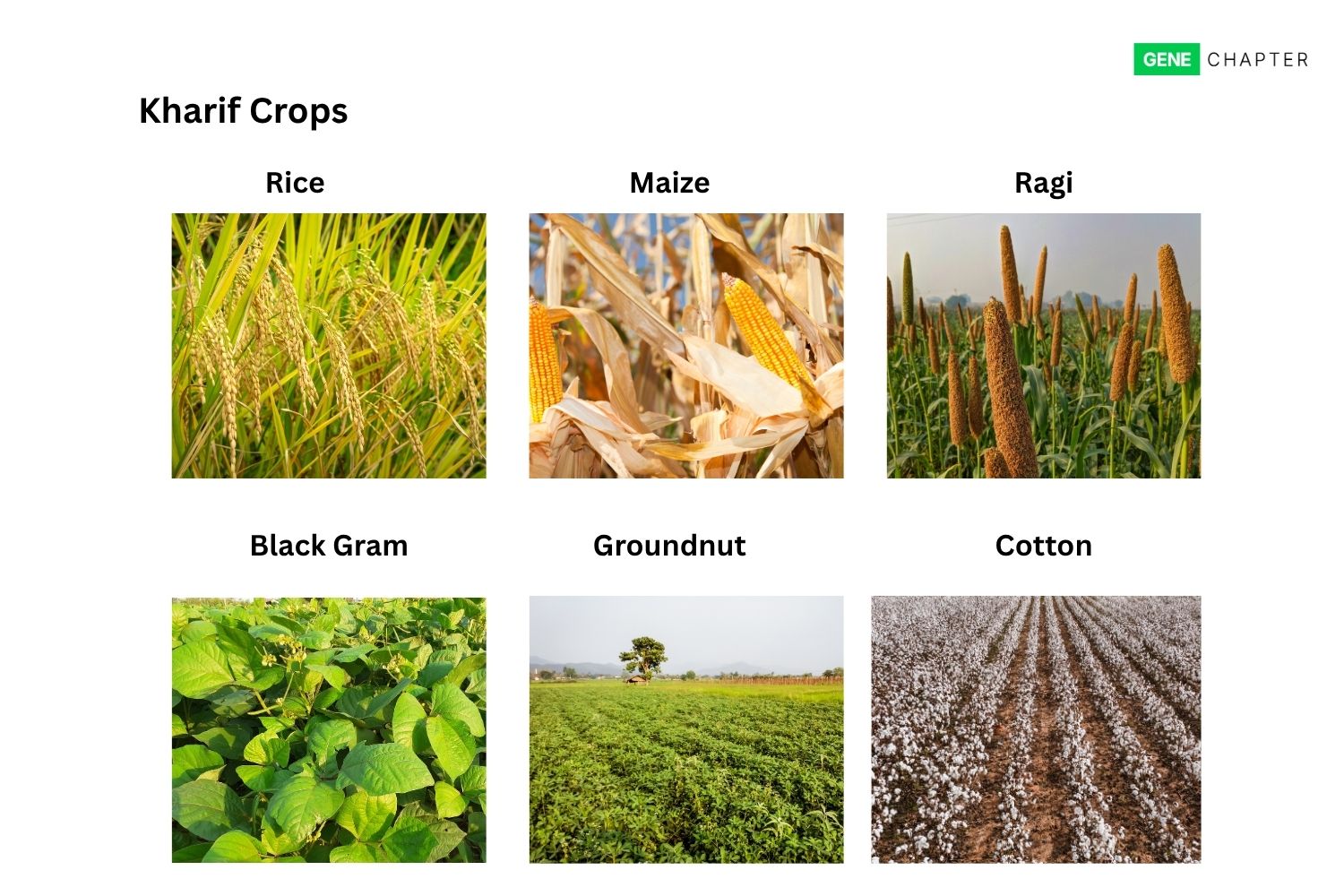
Kharif crops and seasonal crops grown in India mainly during the monsoon season, which usually starts around June and lasts until September. There are six major types of Kharif crops: food crops, fiber crops, fodder crops, industrial crops, oilseed crops, and ornamental crops.
Aspect
Details
Sowing Period
June to July
Harvesting Period
September to October
Temperature
25°C to 35°C
Rainfall
Moderate to high
Water Needs
More water needed
Type of Soil
Loamy, alluvial, black
These crops mostly depend on the monsoon rainfall for their growth. Irrigation may be needed if the monsoon rainfall is lower than usual level. Major Kharif crops producing Regions are Maharashtra, Madhya Pradesh, Punjab, Haryana, Uttar Pradesh, West Bengal, Andhra Pradesh, Tamil Nadu. Examples of Kharif crops: Rice, maize, jowar, millet, ragi, tur, soybean, groundnut, cotton, and moong.
Difference Between Rabi and Kharif Crops
Rabi Crops
Kharif Crops
Meaning
Crops that are planted in winter and cut in spring. They grow in cool weather.
Crops that are planted when the rains start and cut in autumn. They are also called monsoon crops.
Growing Season
Winter season. The weather is cool while the plants grow.
Rainy (monsoon) season. The plants grow while it rains.
Sowing Period
October to December. Farmers plant seeds after the rains are over.
June to July. Farmers plant seeds when the first rains come.
Harvesting Period
March to April. Farmers cut the crop when the weather turns warm.
September to October. Farmers cut the crop when the rains go away.
Climate
Cool and dry. It gets warm when the crop is ready.
Warm and wet, with a lot of sunshine and rain.
Temperature
10°C to 20°C while growing. A little warmer when the crop is ready.
25°C to 35°C. It stays hot all through the season.
Rainfall Requirement
Low to moderate. These crops need only a little rain.